Gum Graft
Gum recession can be a serious concern, causing discomfort and risking the health of your teeth. While it can be prevented or managed in early stages, late-stage gum recession can seriously affect your smile. Gum grafts can restore length to your gums and allow you to live a healthier life.
Precision Dental Group offers gentle gum grafts using advanced technology. If you have been recommended a gum graft or are interested in the procedure, please call our office in Hillsborough, NJ, for a consultation.

What is a Gum Graft?
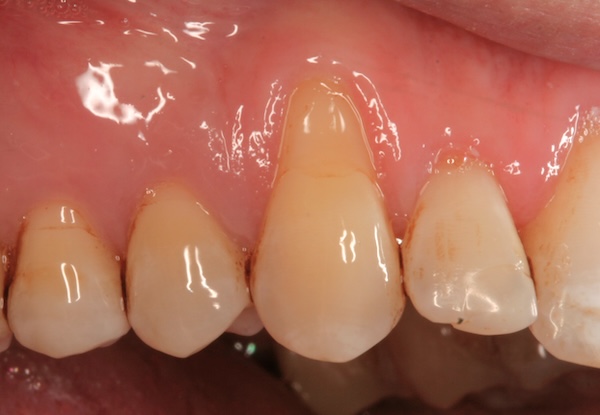
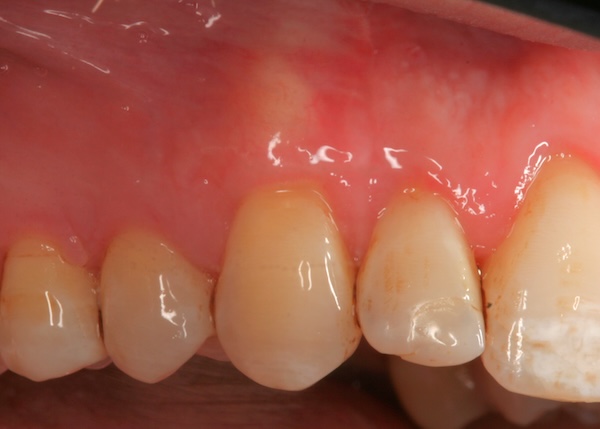
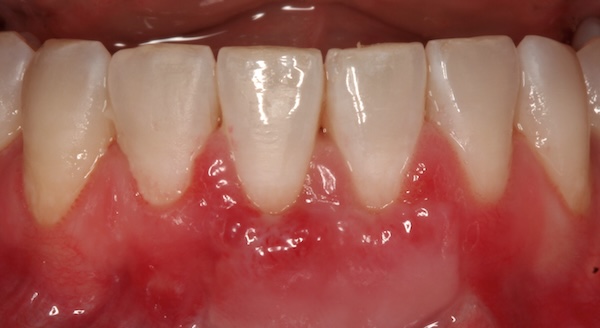
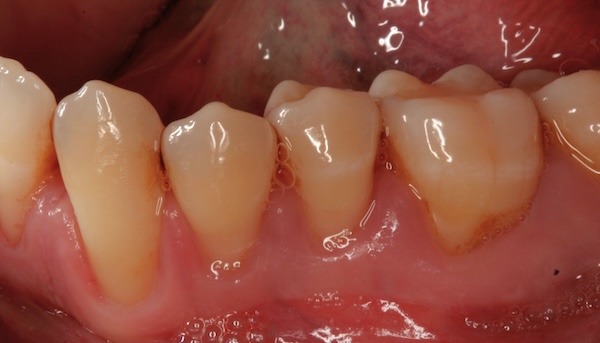
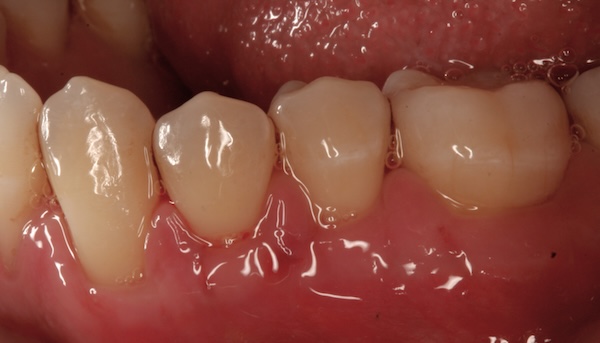
A gum graft—also called gum rejuvenation or gum regeneration—is a periodontal procedure used to restore receding or damaged gum tissue that can lead to increased oral health risks, including tooth loss. When gums pull away from the teeth—often due to gum disease, brushing habits, genetics, or bite issues—more of the tooth root becomes exposed, which can lead to sensitivity, a higher risk of decay, and continued gum recession over time.
During a gum graft, healthy tissue is carefully placed in areas where the gums have receded. This tissue may come from another area of the mouth or from a specialized grafting material, depending on your needs. Once placed, the graft integrates with and thickens your existing gum tissue, which creates stronger coverage around the tooth and helps stabilize the gumline.
Gum grafts are performed to both protect oral health and improve comfort and appearance. By covering exposed roots, grafting can reduce sensitivity to temperature, help prevent further tissue and bone loss, and improve overall periodontal health. In many cases, patients also appreciate the more balanced, youthful, natural-looking gumline that comes as a result of this.
What Causes Gum Recession?
Gum recession can occur for a variety of reasons, often developing slowly over time. Common causes include periodontal (gum) disease, aggressive brushing, genetics, or teeth grinding. Recession may also result from orthodontic movement, trauma to the gums, or simply the natural aging process. As the gums recede, more of the tooth and its root become exposed, leading to sensitivity, an imbalanced smile, and a greater risk of decay.
At Precision Dental Group, our specialists carefully evaluate the cause of your gum recession using advanced diagnostic technology. By understanding the underlying issue, we can recommend the most effective treatment to restore gum health, improve aesthetics, and protect your smile for the future.
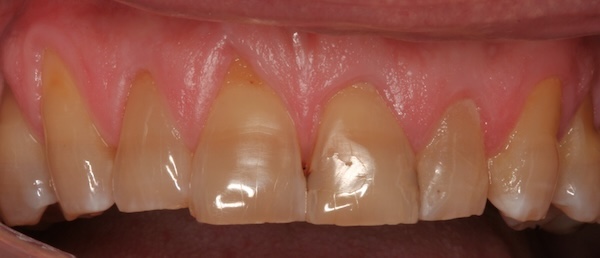
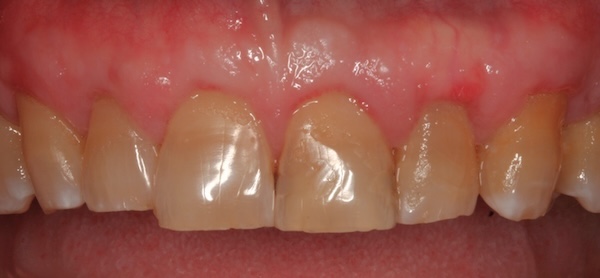
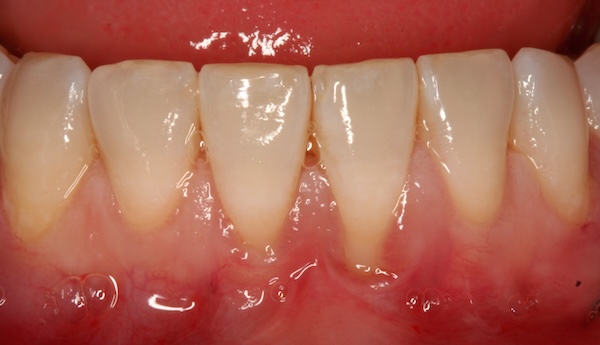
Before & After Images From Real Cases

Before 
After 
Before 
After 
Before 
After 
Before After
Assessing if You Need a Gum Graft
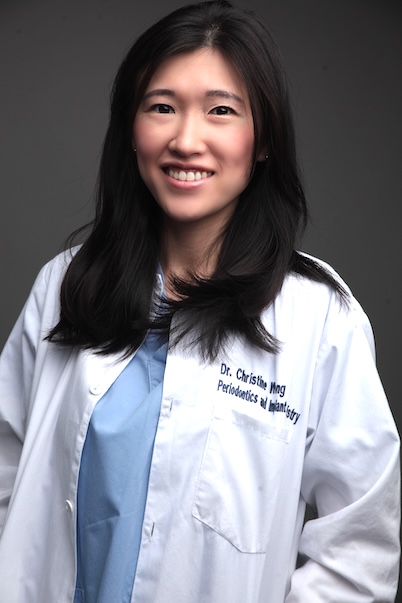
We’ll only recommend gum grafting when it plays an important role in preserving your oral health. If gum recession is present, we will recommend a gum health consultation with Dr. Wong, our certified periodontist in Hillsborough. She will evaluate its cause, severity, and progression to determine whether a gum graft is the right solution for protecting your smile long term.
A gum graft can help your oral health in many ways if you have:
The Process for a Gum Graft
While each gum graft plan is personalized, the process typically includes:
This precise approach allows the graft to heal naturally, strengthening the gumline, protecting exposed tooth roots, and supporting long-term oral health.
The Benefits of Gum Grafts
Gum grafts restore your health, protect your teeth, and support the overall appearance of your smile. By using your own tissue or donor tissue, this procedure creates long-lasting, natural results without synthetic materials. Benefits include:
Covering Exposed Roots
Reduces sensitivity and protects teeth from decay.
Restoring Gum tissue
Rebuilds healthy gum structure lost to recession.
Enhancing Smile Aesthetics
Creates a more even, youthful gumline.
At Precision Dental Group, Dr. Christine Wong uses advanced grafting techniques to ensure your treatment is precise, comfortable, and designed for lasting health and beauty.
Our Other Periodontal Surgeries
Osseous Surgery
Osseous surgery (or pocket reduction surgery) treats periodontal disease and prevents future tooth loss. The gums are pulled back to remove bacteria deep inside pockets, while damaged bones with irregular surfaces are also smoothed out.
This procedure usually takes 45 mins and 2 weeks of healing. There is minimal down time. Patients usually resume normal activity the following day.
Heal Your Gums with Us
A gum graft allows you to enhance your smile and care for receding gums effectively. If you are struggling with gum recession or gum disease, call Precision Dental Group in Hillsborough, NJ, to learn how we can help.