Porcelain Veneers in Hillsborough, nJ
Porcelain veneers are thin, custom-made shells bonded to the front of your teeth to improve their color, shape, and size. At Precision Dental Group in Hillsborough, NJ, Dr. Edward Chu uses veneers to correct chips, stains, gaps, and teeth that are slightly uneven or misshapen.
Ready to see if veneers are right for you? Call (908) 431-0000 or schedule a veneers consultation online.
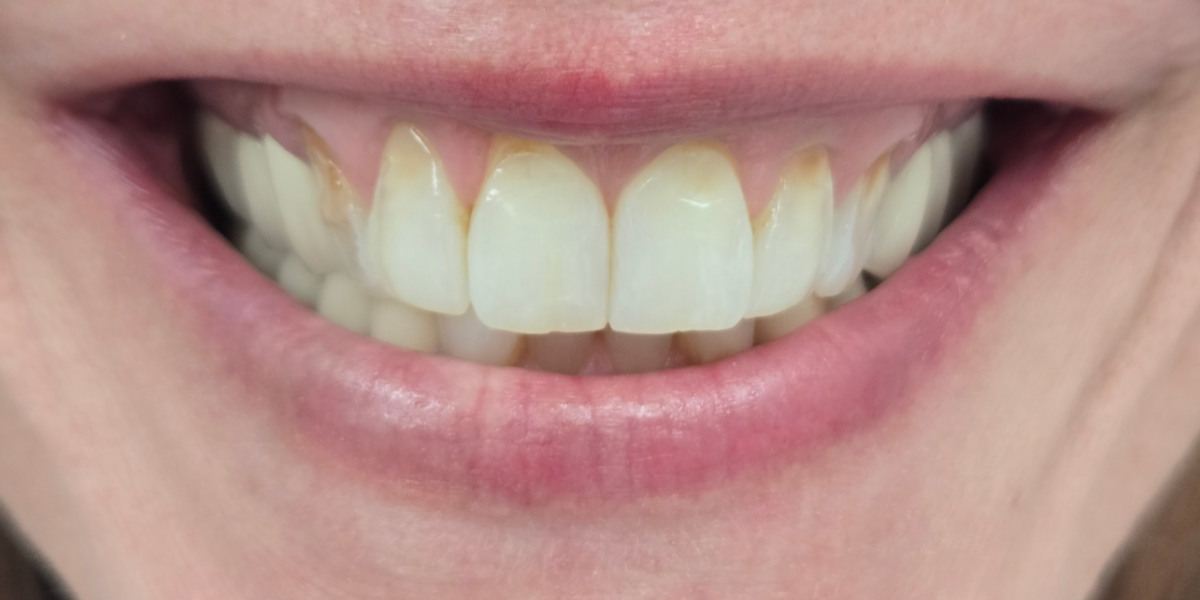
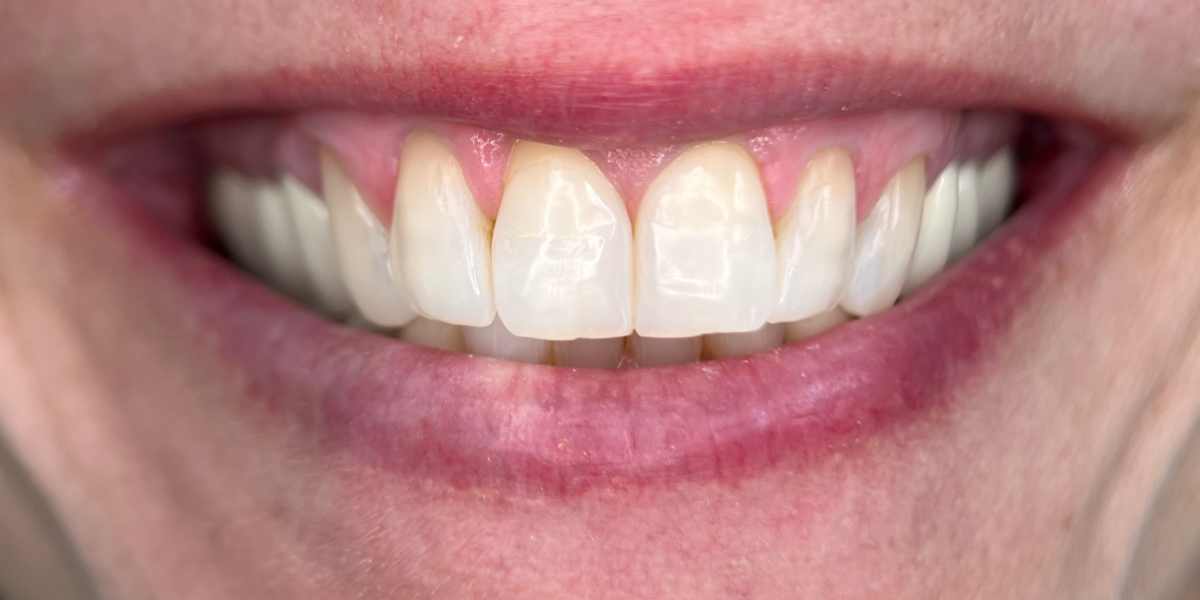
What Are Veneers?
Veneers are thin layers of porcelain or composite resin bonded to the front surface of your teeth. They change the color, shape, length, or width of a tooth while keeping most of your natural tooth structure underneath. Veneers are one of several cosmetic dentistry treatments we offer. For a tooth that is badly damaged or weakened, a dental crown may be the better choice.
Veneers work best on healthy teeth and gums. If your gumline is uneven or receding, Dr. Christine Wong, our board-certified periodontist, may recommend a gum graft or gum repositioning first to create a healthy, even foundation. Daily brushing, flossing, and regular checkups help protect both your veneers and the natural teeth underneath.
How Can Veneers Help Me?
Veneers can address several common concerns in a single treatment:
Chips, cracks, or worn edges
Veneers rebuild the front surface and edges of teeth with minor chips, small cracks, or wear, restoring a smooth, even edge.
Stains and discoloration
Veneers cover deep or uneven stains that don’t respond to whitening. For surface stains, professional teeth whitening may be all you need.
Gaps or uneven spacing
Veneers can close small gaps by slightly widening teeth for more even spacing.
Slight misalignment or irregular shape
Veneers can make slightly crooked or irregularly shaped teeth look straighter and more uniform. If your teeth are more crowded, orthodontic treatment may be needed.
Teeth that appear too small
Veneers can lengthen or widen teeth that look short or small, for better proportion in your smile.
Not sure if veneers are right for you? During your consultation, Dr. Chu will examine your teeth and explain whether veneers, bonding, whitening, or another option best fits your goals.
Porcelain vs. Composite Veneers
We offer two types of veneers. Dr. Chu will help you choose the one that best fits your goals, timeline, and budget.
Porcelain Veneers
Porcelain veneers are custom-made by a dental lab from a strong, translucent ceramic and are typically completed in about two visits.
• Natural appearance: porcelain reflects light much like natural enamel, and each veneer is shaded and shaped to blend with your surrounding teeth.
• Stain resistance: the smooth, glazed surface resists stains from coffee, tea, and red wine.
• Durability: with good care and regular checkups, porcelain veneers can last for many years.
• Conservative treatment: veneers usually require removing less tooth structure than a crown.
Composite Veneers
Composite veneers are made from tooth-colored resin that Dr. Chu shapes directly on your teeth and hardens with a curing light, usually in a single visit.
• One visit: no lab wait or temporary veneers.
• Lower cost than porcelain.
• Minimal tooth preparation: often little or no tooth structure needs to be removed.
• Easy to repair: small chips can usually be fixed in the office.
Composite is more prone to staining and chipping than porcelain and usually needs touch-ups or replacement sooner.
The Veneer Process
Porcelain veneers are typically completed in about two visits after your consultation.
Meet Dr. Chu, Your Veneers Dentist

Dr. Edward Chu, DDS, FAGD
Dr. Edward Chu provides veneer treatment at Precision Dental Group. He places both lab-made porcelain veneers and in-office composite veneers, customizes each case, and carefully checks your bite (occlusion) to help your veneers last. He was born and raised in New Jersey and earned his Doctor of Dental Surgery (DDS) from NYU College of Dentistry. He is a Fellow of the Academy of General Dentistry (FAGD), a distinction held by about 6 percent of general dentists in the U.S. and Canada, earned through more than 500 hours of continuing education and a comprehensive Fellowship exam. Dr. Chu has also completed advanced training at the Kois Center in Seattle.
Meet the DoctorsTestimonials
Frequently Asked Questions About Veneers
Schedule Your Veneers Consultation in Hillsborough, NJ
Whether you want to fix a single chipped tooth or change the look of your whole smile, Dr. Chu can help you decide if veneers are right for you. Call (908) 431-0000 or schedule your consultation online.
Don’t have dental insurance? See our special offers.