Osseous Surgery and Guided Tissue Re-generation
Severe gum disease can severely damage not just your oral health, but to your life. Dealing with chronic pain in your smile or with loose or even missing teeth from periodontitis can make it difficult to do simple things like eat and smile.
Our highly qualified periodontist, Dr. Wong, offers periodontal surgeries that can assist your smile in recovering from periodontal disease. To learn more about how we can help your smile, we invite you to contact our Hillsborough, NJ, office.
What Is Osseous Surgery?
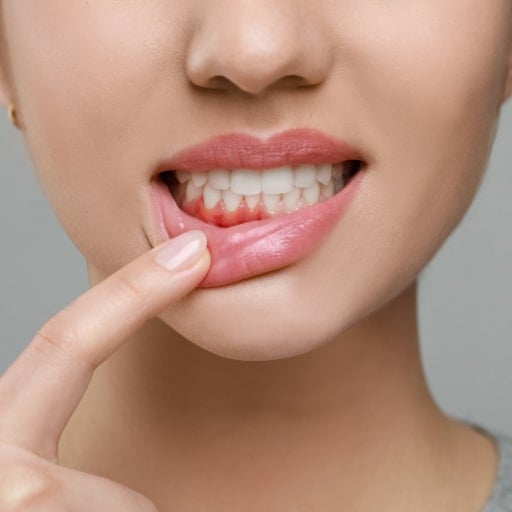
Osseous surgery (also called pocket reduction surgery) is a periodontal procedure used to treat advanced gum disease when deep cleaning alone is no longer enough. It focuses on cleaning the roots of the teeth, removing infected tissue, and reshaping damaged bone so the gums can heal in a healthier position around the teeth.
In healthy mouths, the bone and gums fit tightly around teeth, creating a natural seal that keeps bacteria out. With periodontitis, this support breaks down, deep “pockets” form around the teeth, and bacteria are able to hide where your toothbrush and floss can’t reach. Osseous surgery is designed to reduce these pockets and help prevent further bone and tooth loss
What Is Guided Tissue Regeneration (GTR)?
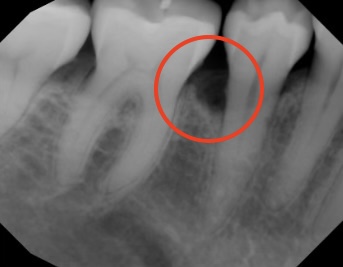
Bone defect around pre-molar
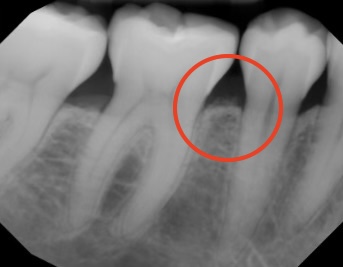
Bone regenerated
Guided tissue regeneration is a specialized procedure often performed together with osseous surgery in areas of advanced bone and attachment loss. It is designed to encourage the body to regrow the supporting structures around teeth that have been damaged by gum disease.
In severe periodontitis, both the bone and the ligament that attaches the tooth to the bone can be destroyed. Guided tissue regeneration uses barrier membranes, and sometimes bone graft materials or biologic stimulators, to give the right cells time and space to repopulate the defect and rebuild support.
Who Is a Candidate for GTR?
Your periodontist may recommend osseous surgery alone or in combination with
guided tissue regeneration if:
Patients with uncontrolled systemic conditions (such as poorly controlled diabetes or heavy smoking) may need medical support and lifestyle changes before regenerative procedures are advised.

Benefits of Osseous Surgery and GTR
Together, osseous surgery and guided tissue regeneration can offer important benefits:
Periodontal disease is a progressive condition, meaning it will continue to worsen without proper treatment. What may begin as mild inflammation in your gums can develop into more advanced damage that affects not just your smile, but your overall health. Addressing gum disease early protects your teeth, your comfort, and your long-term well-being.
If left untreated, periodontal disease can lead to:
The Risks of Not Treating Your Periodontal Disease
Ongoing Infection and Inflammation
Bacteria beneath the gumline continue to spread, causing chronic irritation, swelling, and discomfort that does not resolve on its own.
Gum and Bone Loss
As the infection progresses, it begins to break down the structures that support your teeth, including the jawbone. This can make your smile less stable over time.
Loose or Missing Teeth
Without strong support from healthy gums and bone, teeth can shift, loosen, or even fall out, impacting both function and appearance.
Increased Risk of Other Dental Issues
Advanced gum disease can make you more susceptible to cavities, abscesses, and further infection throughout your mouth.
Impact on Overall Health
Periodontal disease has been linked to broader health concerns, as oral bacteria and inflammation can affect the body beyond your smile.
We work to prevent these issues with oral health care and conservative periodontal treatments, but are able to help when more radical treatment is needed to restore and protect your smile.
Why Might You Need Osseous Surgery?
Osseous surgery is recommended and performed by a periodontist. Our resident periodontist, Dr. Wong, may recommend osseous surgery if:
Not every site is a candidate for guided tissue regeneration, and results can vary. Your periodontist will review X-rays, examine your gums, and discuss whether regenerative options are appropriate for your specific situation.
Our Process for Periodontal Surgery
We often combine osseous surgery and guided tissue regeneration into a single treatment at our Hillsborough office. This combined approach helps promote faster healing and better results, and helps you avoid multiple long procedures on your gums.
Healing and Follow-Up
Most patients are surprised at how manageable their recovery is, especially with modern techniques and medication.
Recovery Recommendations
It is normal to experience mild swelling, tenderness, or sensitivity in the days following your procedure, but these symptoms gradually improve as your gums heal.
To support a comfortable recovery and optimal results, we recommend:
Our team will provide you with detailed, personalized aftercare instructions during your visit. With the right care, your recovery can be comfortable, and your results can support a healthier, more stable smile for years to come.
ReDISCOVER YOUR ORAL HEALTH
Periodontal disease doesn’t have to be the end of stable oral health. Our periodontal surgery options can help you recover your healthy smile once more. Call us to schedule a consultation and to meet our periodontist, Dr. Wong.