Board-Certified Periodontist in Hillsborough
If you are dealing with gum disease, gum recession, or other periodontal concerns, our team offers the specialized expertise and advanced technology to protect the foundation of your smile. Dr. Christine Wong is a board-certified periodontist and Diplomate of the American Board of Periodontology, providing advanced periodontal care and gum disease treatment at Precision Dental Group in Hillsborough, NJ.
Call to schedule your periodontal consultation.
What Is Periodontal Disease?
Periodontal disease, commonly known as gum disease, is a chronic infection of the gums and supporting bone around the teeth. According to the CDC, nearly 42% of U.S. adults over age 30 have some form of periodontal disease, making it one of the most common, and thus most preventable, oral health conditions. Gum disease is most commonly caused by bacteria that accumulate in plaque and tartar along and below the gumline. Over time, these bacteria trigger inflammation and infection, which damage the gums and the bone that supports the teeth. If left untreated, periodontal disease can result in gum recession, bone loss, and eventual tooth loss.
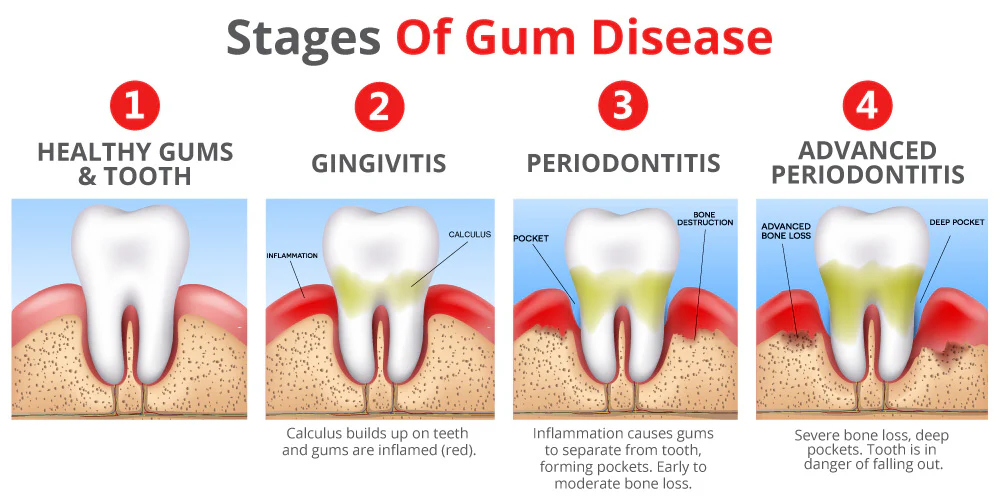
Gum disease develops in stages, progressing from gingivitis (early, reversible inflammation) to periodontitis and advanced periodontitis, where bone loss and deep pockets put teeth at risk of falling out. At Precision Dental Group, Dr. Christine Wong, our board-certified periodontist, diagnoses and treats every stage of gum disease to stop its progression before it causes lasting damage.
Periodontal treatments and surgeries are performed to treat periodontal disease. The goal of treatment is to stop the progression of the disease, eliminate infection, and preserve the health and stability of your teeth and gums.
Do I Need Periodontal Care?
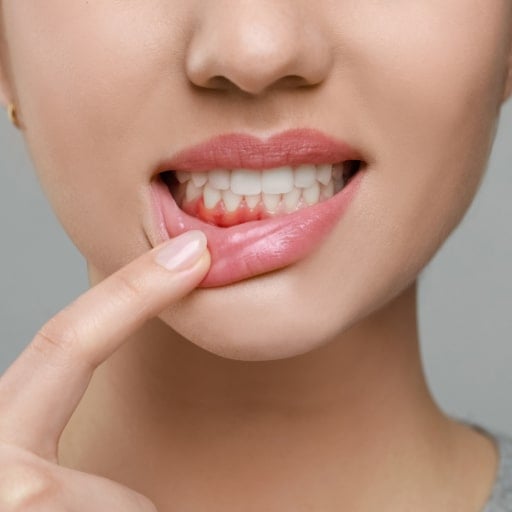
Periodontal disease often progresses silently, especially in its early stages. If you notice any of these symptoms, we invite you to visit us for a periodontal evaluation:
Recognize any of these symptoms? We can plan a periodontal treatment to diagnose your conditions, restore your optimal oral health, and prevent further damage. Schedule your periodontal evaluation with Dr. Wong today.
Understanding Periodontal Disease
Not all periodontal disease is the same for every person. It may have different symptoms and require different care. On top of that, there are three stages of gum disease.
First, there is gingivitis, which is completely reversible. Many people will experience gingivitis in their lifetime. The first step in treating gingivitis is increasing attention to your oral health habits, by brushing with correct techniques twice a day and flossing. We may also recommend a special mouthwash or toothpaste.
Gingivitis can turn into periodontitis. This may have some permanent, but minor effects on your teeth. It may result in gum recession. We recommend treating periodontitis with a root scaling and planing, a minor dental procedure, also called a dental deep clean. We will scrape away plaque and tartar from around and under your gumline. We may recommend you complete this a couple of times to fully treat your periodontal concerns. Advanced cases of periodontitis may require more intensive surgery.
Once gum disease has advanced to a stage where it is harming your mouth permanently and putting your oral health at great risk, it is called periodontal disease. Periodontal disease can result in lost teeth if not managed properly. We work with you to prevent periodontal disease in the first place, but if it occurs, we offer osseous surgery, which prevents tooth loss from periodontal disease.
Periodontal Treatment Options
We offer a full range of periodontal treatments, from non-surgical deep cleanings to advanced surgical care, so you get the right level of treatment for your gum health.
Scaling & Root Planing
A deep, non-surgical cleaning that removes plaque and tartar from below the gumline and smooths the tooth roots. Scaling and root planing treats gum disease symptoms like bleeding gums and gum tenderness, helping your gums heal and reattach to your teeth.
Osseous Surgery
Osseous surgery treats periodontal disease that remains after scaling and root planing, reshaping bone around the teeth to eliminate deep pockets and stop the progression of bone loss.
Guided Tissue Regeneration (GTR)
Guided tissue regeneration (GTR) uses a protective membrane to help lost bone and tissue regrow after advanced gum disease, preserving your natural teeth and their long-term stability.
Crown Lengthening
Crown lengthening, also called a gum lift, reshapes gum and bone tissue to expose more of the natural tooth, improving the look of a gummy smile or creating space for a crown or veneer to fit properly.
Gum Graft
A gum graft covers exposed tooth roots and rebuilds tissue lost to gum recession, reducing sensitivity and protecting your teeth from further damage.
Laser Gum Surgery
Laser gum surgery uses advanced laser technology to treat gum disease with more precision and less discomfort than traditional methods, offering less bleeding and faster healing for many patients.


The Risks of Putting Off Periodontal Treatment
Periodontal disease does not improve on its own. When treatment is delayed, mild symptoms can progress into more serious oral health concerns that require more complex care. Addressing gum disease early helps protect both your smile and your long-term oral health.
Periodontal treatment is focused on preserving the foundation of your smile. Seeking care at the first signs of gum disease helps protect your teeth, maintain comfort, and support long-term oral health.
Our Process
Every periodontal treatment plan follows a clear, personalized path, designed so you always know what to expect.
Meet your periodontal specialist
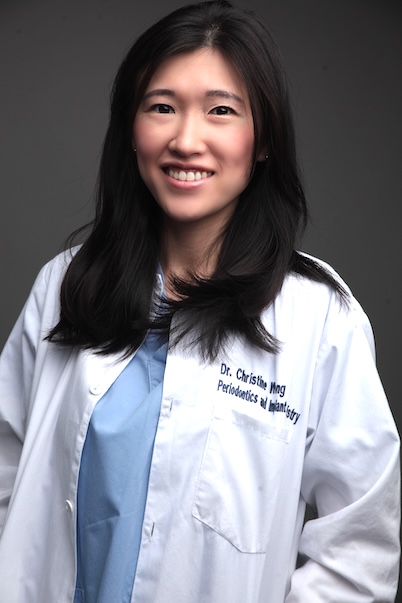
Dr. Christine Wong is a board-certified periodontist at Precision Dental Group in Hillsborough, NJ, and a Diplomate of the American Board of Periodontology – one of the highest distinctions a periodontist can earn. She completed advanced postdoctoral training in periodontics and dental implant surgery at NYU Lutheran Medical Center, and specializes in treating every stage of gum disease, from non-surgical scaling and root planing to advanced procedures like osseous surgery and gum grafting. Dr. Wong has also pursued specialized training in laser periodontal technology, bringing advanced, minimally invasive treatment options to gum disease care. She believes patient education is key to lasting periodontal health, and takes the time to explain every step of treatment so you feel confident and informed.
Testimonials
Caring for Your Gums After Treatment
Proper aftercare is key to healing well and keeping your results long-term. Recovery looks a little different depending on which treatment you’ve had.
Scaling & Root Planing Recovery: It’s normal to experience mild gum sensitivity or slight bleeding for a day or two after a deep cleaning. Stick to a soft diet initially, rinse gently with warm salt water, and continue brushing and flossing carefully around the treated area. Most patients return to normal activities the same day.
Periodontal Surgery Recovery: Some swelling, tenderness, and minor bleeding are expected in the first few days after surgery. We’ll provide specific instructions on diet, oral hygiene, and any prescribed rinse or medication to support healing. Avoid brushing directly over the surgical site until it’s fully healed, and attend your follow-up visit so we can monitor your progress.”
Laser Gum Surgery Recovery: Laser treatment typically results in less bleeding, swelling, and discomfort than traditional surgery, with many patients returning to normal activities more quickly. Gentle oral hygiene and a soft diet for the first day or two support faster healing.
Frequently Asked Questions About Periodontal Care
Experience Board-Certified Periodontal Care in Hillsborough, NJ
We offer a personalized approach to periodontal care because everyone’s mouth and oral conditions are different. You can be sure that we’ll create a treatment plan that’s best for you and your complete oral health. Don’t wait to protect the foundation of your smile. Call us at (908) 431-0000 or schedule your periodontal consultation with Dr. Wong online today.
Precision Dental Group proudly serves patients from Hillsborough, Bridgewater, Somerville, Montgomery Township, Belle Mead, Raritan, and throughout Somerset County, NJ.