Periodontal Treatment & Surgeries
A good smile requires good foundations throughout your whole mouth and oral health. If you are dealing with gum disease or other periodontal concerns, having a board-certified periodontist on your side can give you the confidence you need to treat your oral health. If you are looking for an experienced periodontist and an office with advanced dental technology for improved results, we invite you to call Precision Dental Group in Hillsborough, NJ, to schedule your periodontics consultation.
What Is Periodontal Disease?
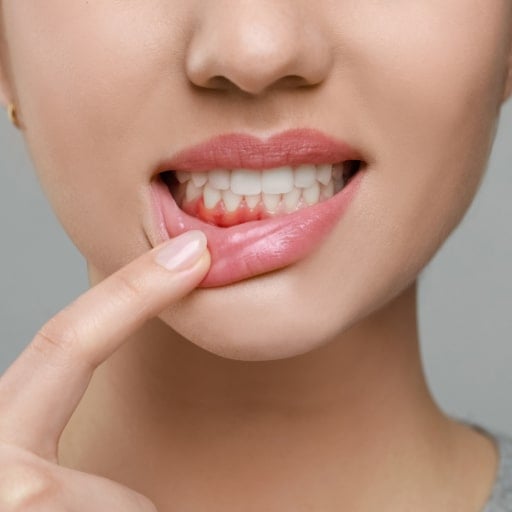
Periodontal disease, commonly known as gum disease, is a chronic infection of the gums and supporting bone around the teeth. It is most commonly caused by bacteria that accumulate in plaque and tartar along and below the gumline. Over time, these bacteria trigger inflammation and infection, leading to damage of the gums and the bone that supports the teeth. If left untreated, periodontal disease can result in gum recession, bone loss, and eventual tooth loss.
Periodontal treatments and surgeries are performed to treat periodontal disease. The goal of treatment is to stop the progression of the disease, eliminate infection, and preserve the health and stability of your teeth and gums.
Do I Need Periodontal Care?
Periodontal disease often progresses silently, especially in its early stages. If you notice any of these symptoms, we invite you to visit us for a periodontal evaluation:
Early diagnosis and treatment are key to preventing further damage. If you have any of these symptoms, we can help plan a periodontal treatment to rejuvenate your smile and restore your optimal oral health.
Understanding Periodontal Disease
Not all periodontal disease is the same for every person. It may have different symptoms and require different care. On top of that, there are three stages of gum disease.
First, there is gingivitis, which is completely reversible. Many people will experience gingivitis in their lifetime. The first step in treating gingivitis is increasing attention to your oral health habits, by brushing with correct techniques twice a day and flossing. We may also recommend a special mouthwash or toothpaste.
Gingivitis can turn into periodontitis. This may have some permanent, but minor effects on your teeth. It may result in gum recession. We recommend treating periodontitis with a root scaling and planing, a minor dental procedure, also called a dental deep clean. We will scrape away plaque and tartar from around and under your gumline. We may recommend you complete this a couple of times to fully treat your periodontal concerns. Advanced cases of periodontitis may require more intensive surgery.
Once gum disease has advanced to a stage where it is harming your mouth permanently and putting your oral health at great risk, it is called periodontal disease. Periodontal disease can result in lost teeth if not managed properly. We work with you to prevent periodontal disease in the first place, but if it occurs, we offer osseous surgery, which prevents tooth loss from periodontal disease.
The Risks of Putting Off Periodontal Treatment
Periodontal disease does not improve on its own. When treatment is delayed, mild symptoms can progress into more serious oral health concerns that require more complex care. Addressing gum disease early helps protect both your smile and your long-term oral health.
Periodontal treatment is focused on preserving the foundation of your smile. Seeking care at the first signs of gum disease helps protect your teeth, maintain comfort, and support long-term oral health.
Our Periodontal Surgery Options
When non-surgical treatments such as deep cleanings are not sufficient to control the infection, periodontal surgery may be recommended to access and treat deeper areas of disease.
How to Know if You Need Oral Surgery
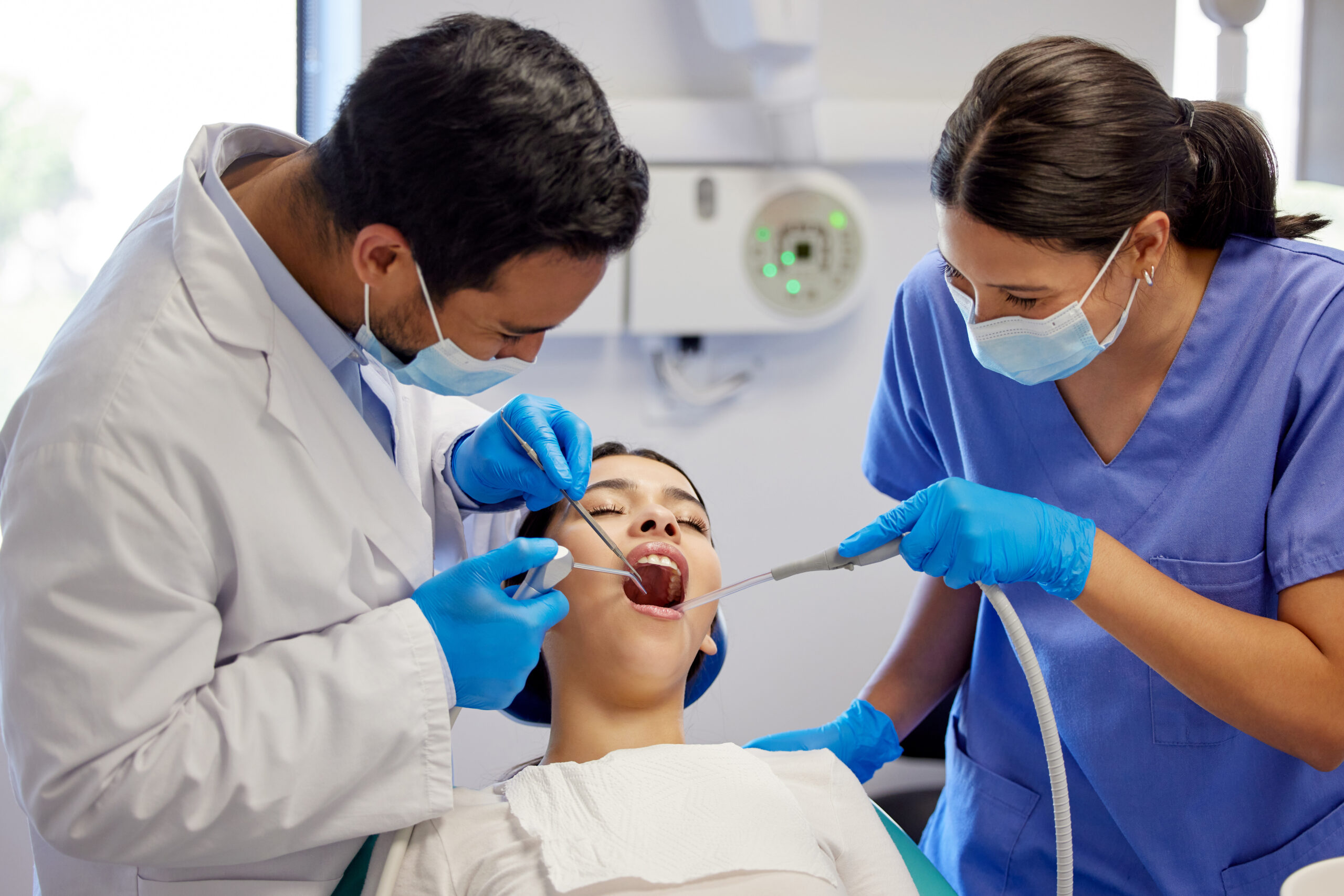
The best way to know if you need surgery is to get a recommendation from a dentist. We offer consultations to learn about your surgical options. We will never recommend a surgery before evaluating if more conservative treatment options are an option.

Why Choose a Periodontist for Oral Surgeries?
Oral surgery involves more than addressing a single concern—it requires a deep understanding of the gums, bone, and supporting structures that keep your smile healthy and functional. A periodontist is uniquely trained to manage these complex areas, making them especially well-suited for surgical procedures involving the soft tissue and bone of the mouth.
Periodontists receive advanced, specialized education beyond dental school that focuses exclusively on diagnosing and treating conditions affecting the gums and underlying bone. This expertise allows them to perform oral surgeries with precision, planning each procedure to protect surrounding structures and promote long-term oral health. Whether surgery is needed to treat periodontal disease, prepare for future restorations, or correct structural concerns, a periodontist approaches care with a holistic understanding of your mouth.
Choosing a periodontist for oral surgery also means your treatment is guided by careful evaluation and advanced imaging. We used technology to guide us to a better result for your surgeries.
Our Oral Surgery Options
Teeth Removal
Teeth removal may be needed to remove badly damaged teeth or to create space for braces.
After numbing the mouth, the tooth will be loosened and removed. You will feel some slight pressure during this process. The socket is thoroughly cleaned out. Stitches may be added.
Since tooth extraction leaves the socket empty, we may recommend a dental implant or bone regeneration.
Bone Regeneration
Bone grafts restore bone loss around teeth or previously lost teeth. When performed around existing teeth, it creates more support for teeth, allowing them to last longer. Grafting is routinely done at the time of tooth removal to preserve the existing bone volume for future dental implants. Bone grafts can also be done in areas with missing teeth to grow back lost bone in order to support dental implants or other dental restorations.
This is a minor surgical procedure performed by Dr. Wong, our periodontist. Bone graft material will be placed in the area needed and allowed to heal. The kind of graft material we use will depend on several situations. We will discuss your graft options during a consultation.
Gum Rejuvenation
Gum rejuvenation (or gum regeneration) treats gum loss that can lead to sensitivity, cavities, or even tooth loss. Our specialists use minimally invasive surgical techniques to restore your previous gum line and thicken the gum tissue to prevent future gum loss.
After numbing the mouth, the gums are loosened and repositioned. A gum graft from either the patient’s own gum tissue or donor tissue is tucked underneath and secured with sutures. Healing usually takes a couple of weeks.
Recovering From Oral and Gum Surgery
Following post-surgical instructions closely helps protect the treated area and supports healthy tissue regeneration. We recommend that you:
Ongoing Care After Treatment
Following periodontal surgery, ongoing care is essential to maintain results. We will create a personalized periodontal maintenance plan that may include more frequent cleanings and at-home care instructions to keep your gums healthy and disease-free.
Periodontal Care in Hillsborough, NJ
We offer periodontal care and oral surgery in Hillsborough, NJ. Oral surgery doesn’t have to be complicated or scary, because we make it easy with advanced technology and personalized approaches. Call us to schedule a consultation with Precision Dental Group in Hillsborough, NJ, and learn about our surgical options.